

 EN
EN  ES
ES  JA
JA  TH
TH  ID
ID  PT
PT Lab solutions
A perfect combination
Unlock process quality potential with BTG´s lab instruments

Applications
Wet-end chemistry optimization
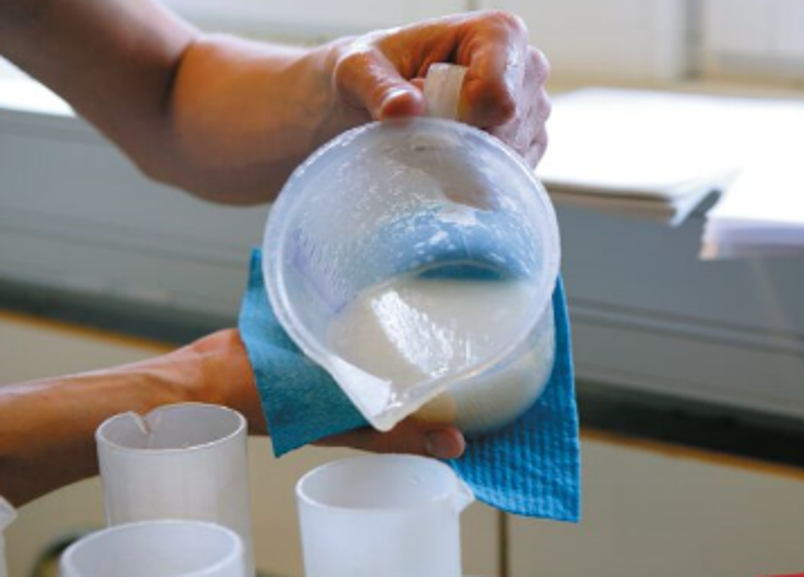
Experienced paper technologists use Mütek™ lab instruments to develop and maintain optimal dosage programs for chemical additives in the wet-end of the papermaking process. The most common application of Mütek™ lab instruments is controlling anionic impurities in process water, often called “anionic trash.” Cationic fixing agents bind these impurities, preventing valuable fiber additives from reacting with dissolved contaminants instead of fibers. Because dissolved impurities react faster than fibers, untreated systems waste additive chemistry. However, overdosing fixing agents can also be detrimental, as excess agent may coat fiber surfaces and reduce additive uptake. A well-balanced wet-end charge system not only improves chemical efficiency but also enhances runnability, reduces web breaks, improves drainage, and minimizes downtime caused by deposits and foam.
Pulping liquor and Kappa
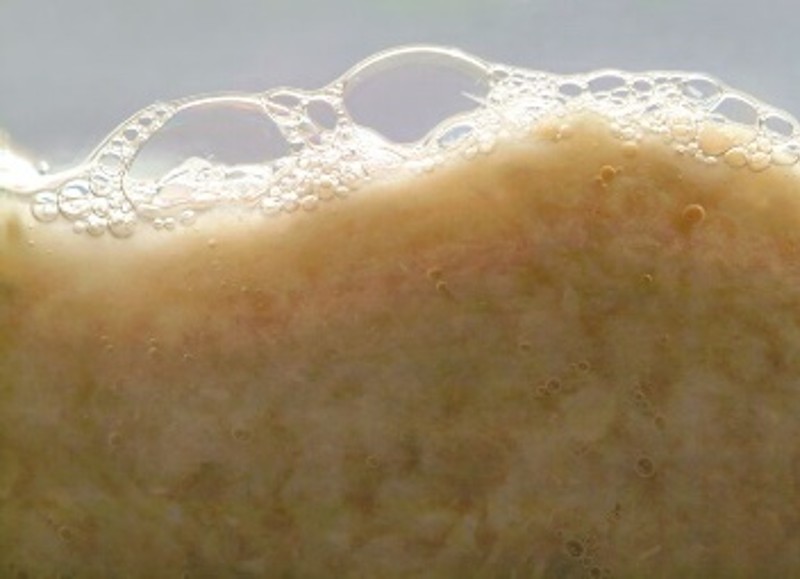
Alkali and liquor measurements using the FITNIR™ LABX`s NIR spectroscopy reveal actual chemical concentrations driving Kraft cooking, recovery boiler, and ClO2 generation – processes occurring in opaque, harsh liquor streams. They enable precise dosing, causticizing control, and generator efficiency, directly affecting yield, pulp quality, and safety. Without accurate data, mills rely on slower, less reliable inference-based methods.
Kraft mills use the Kappa number to gauge delignification during cooking and to guide automated control of yield and quality. The standard permanganate titration method is slow, tedious, and chemical-intensive. UV-visible methods cut chemical use but are error-prone due to species sensitivity and poorly suited to high Kappa numbers like kraft linerboard pulp. The FITNIR™ KAPX uses NIR spectroscopy to measure residual lignin directly via its spectral absorption.
Process water treatment
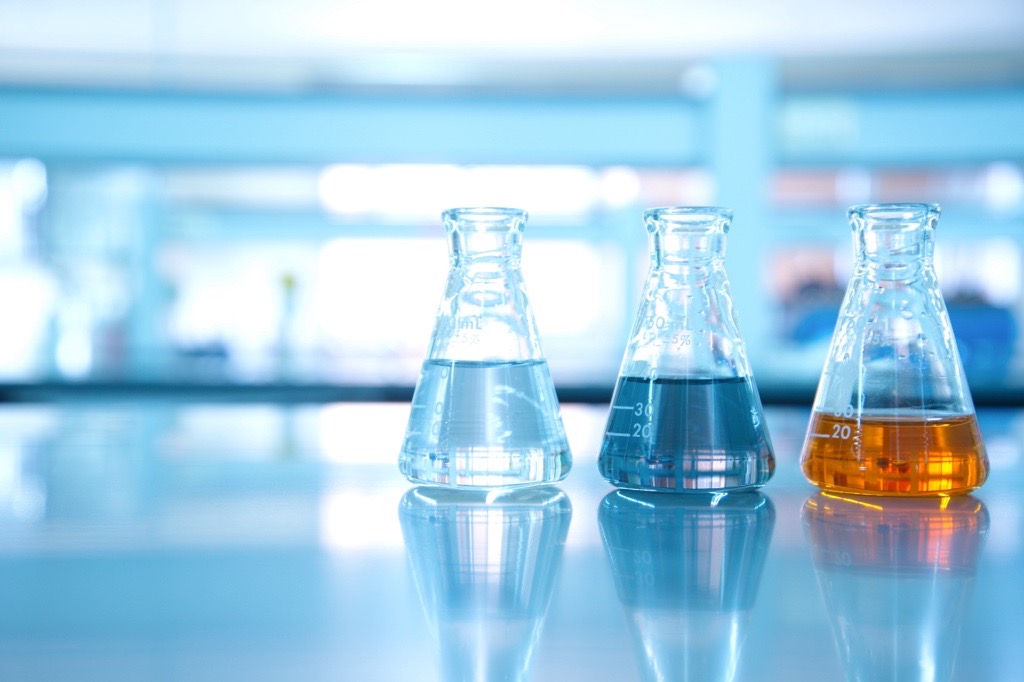
The treatment of industrial process water ensures a continuous supply of purified or conditioned water through procedures like solid separation via coagulation or dispersant addition. Charge measurement, such as with the Mütek™ PCD-06, accurately determines the charge demand of process water, optimizing the use of additives like coagulants or dispersants. This enhances process efficiency while minimizing additive costs and environmental impact.
Pigment stability
Charge measurement with the Mütek™ PCD-06 and SZP-16 is essential for evaluating the stability of pigment dispersion. Pigments carry charges that create electrostatic repulsion; low charges lead to flocculation, while high charges ensure better particle distribution and stability. Measuring charge helps optimize dispersant dosage – too little leads to instability, while excess can cause unwanted interactions. Monitoring charge over time predicts sedimentation, viscosity changes, or phase separation. Charge measurement aids in formulating water- and solvent-based systems by aligning pigments with additives to avoid instability caused by charge mismatches.
Additive reactivity
The Mütek™ PCD-06 measures the charge density of additives like coagulants, flocculants, strength agents, dispersants, binders, etc. and has become a best practice tool for quality control, warranty management and product development amongst additive manufacturers. In the later industrial application of additives, BTG’s lab analyzers PCD-06, SZP-16 and DFR-05 help measure the interaction between additives and suspensions quickly and accurately, allowing for verification and selection of chemical additives, as well as determining the best dosage point and amount.
Products
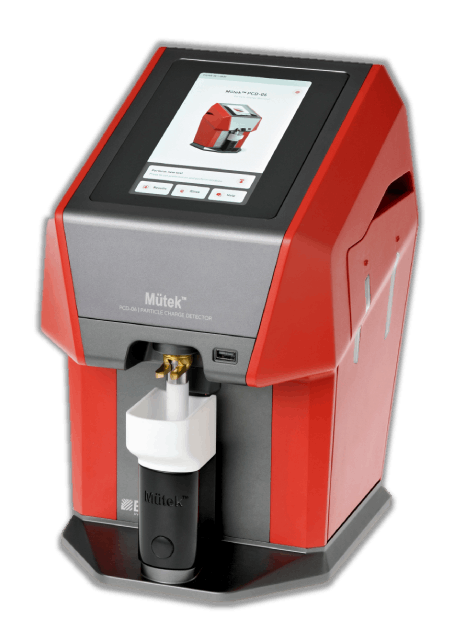
PCD-06
The Mütek™ PCD-06 Particle Charge Detector measures the charge of colloidal dissolved substances in aqueous samples. In aqueous systems, solid particles as well as colloidal dissolved substances carry electrical surface charges, a phenomenon occurring in suspensions and emulsions.
Learn More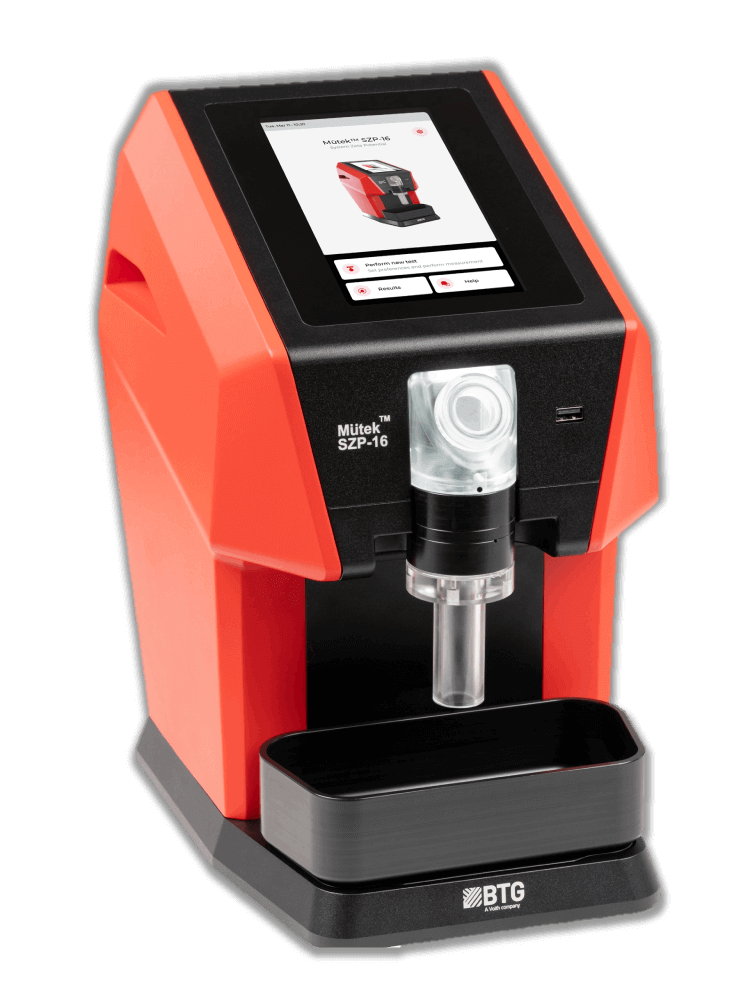
SZP-16
The Mütek™ SZP-10 System Zeta Potential identifies the surface charges of fibers, pigments and other solid materials. Measuring samples before and after chemical contact, it evaluates the performance of e.g. wet strength agents, sizing agents, dispersants or coatings in a manufacturing process.
Learn More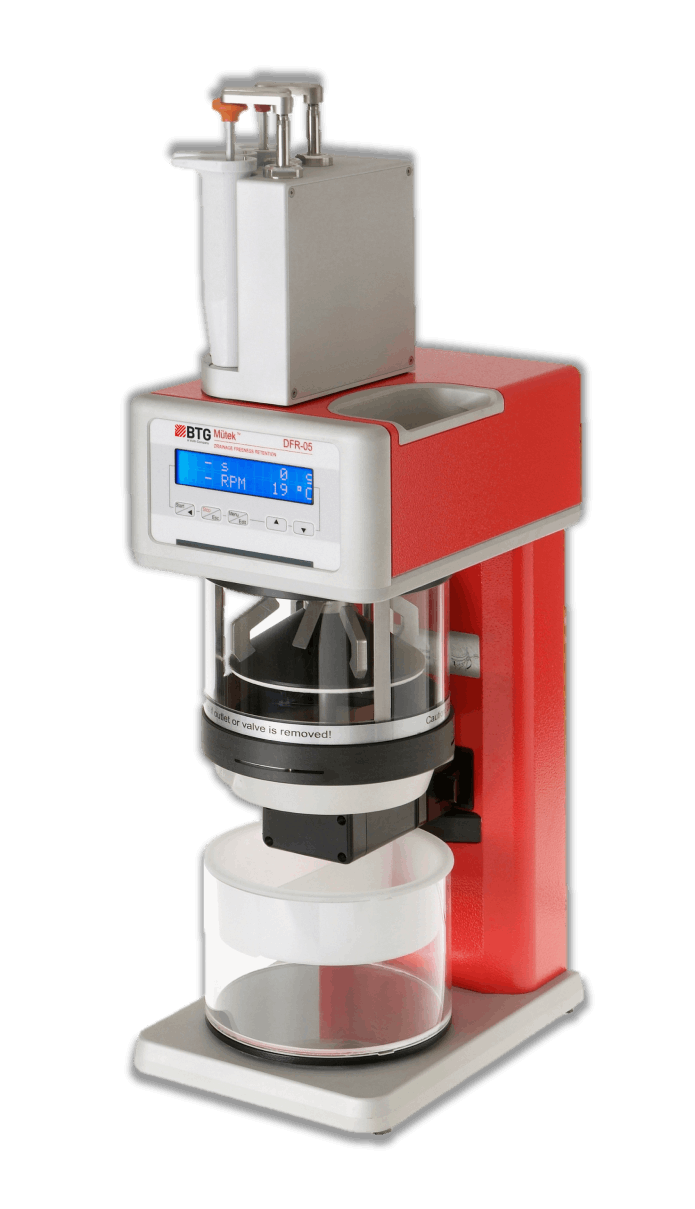
DFR-05
The lab device MütekTM DFR-05 Drainage Freeness Retention simulates the retention and drainage conditions prevailing in a paper machine immediately before and during sheet forming. This enables a systematical assessment of chemical influences.
Learn More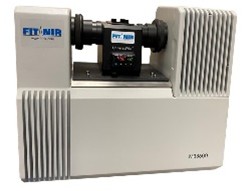
FITNIR “Benchtop”
The FITNIR Benchtop is a compact, plug and play pulp liquor analyzer providing fast and accurate measurement of a complete suite of key liquor properties. FITNIR Benchtop provides pulp mills with a cost-effective solution utilizing the same optically-based NIR technology of FITNIR Online.
Learn More
FITNIR “Kappa”
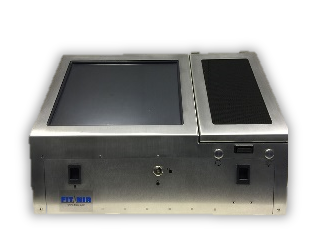
The FITNIR Kappa utilizes NIR (Near Infrared) spectroscopy to measure the kappa number of kraft pulp. With FITNIR Kappa, mills can monitor and control pulp production from the beginning of the process to the final product, enabling quicker adjustments for improved efficiency
Learn MoreDiscover the latest charge measurement devices and their top of the art functionalities
Additional Services
Application lab
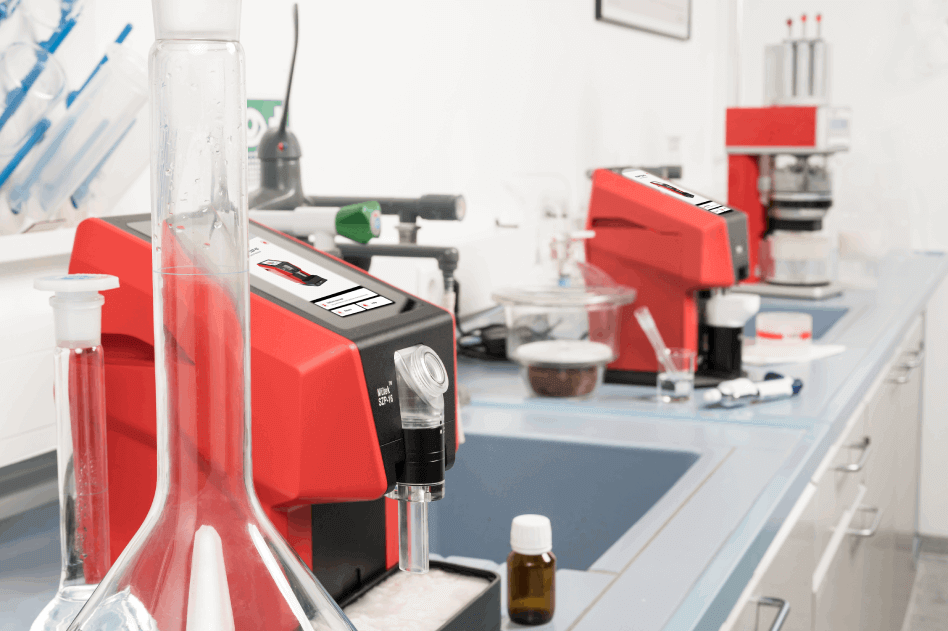
With our application labs we are your trusted partner in advanced material analysis and process optimization.
Learn More
Mütek™ Academy seminars
Just can`t seem to get enough of Mütek™ lab instruments? Or do you want your new colleagues to dip a toe into charge measurement?
Learn More
LabCheck™ instruments service
To guarantee reliable measurements from the start every Mütek™ laboratory instrument undergoes thorough testing before leaving the factory.
Learn More
